The Double-Edged Sword
Athletes today live in two worlds. There's the field, court, or track where they compete. Then there's the digital arena where millions watch their every move.
Social media revolutionized how athletes connect with fans and build their brands. But this constant spotlight comes at a cost. Every post is analyzed. Every mistake becomes permanent. The pressure never stops.
Social media creates unprecedented opportunities for connection and self-expression. But it also exposes athletes to relentless scrutiny, cyberbullying, and mental health challenges they never signed up for.
The Numbers Tell the Story
93% of teens use YouTube. About 60% use Instagram, TikTok, and Snapchat. These platforms shape young athletes' identities.
Athletes who experience cyberbullying are 3.5x more likely to show symptoms of depression and anxiety.
Female basketball players receive about 3x more threats than male players.
78% of elite athletes say social media directly impacts their mental wellbeing before major competitions.

The Good Side
- Direct fan engagement
- Building personal brands
- Creating supportive communities
- Controlling your narrative
- Platform for advocacy
The Dark Side
- Cyberbullying and harassment
- Pressure to be perfect
- Unrealistic body expectations
- Sleep disruption
- Performance anxiety
- Blurred personal boundaries
The Psychological Impact
The relationship between social media and athlete mental health is complex. Positive interactions boost confidence. But negative experiences trigger anxiety, depression, and worse.
Social media expedites the directness of feedback. Athletes posting skills videos might get thrilled by positive comments. But they're just as likely to receive nothing or harsh criticism.
- Dr. Charron Sumler, TrueSport Expert
Key psychological mechanisms at play:
- Social comparison: Constant comparison leads to decreased self-esteem
- Validation seeking: Chasing likes creates unhealthy dependency
- Fear of missing out: Seeing peers succeed triggers anxiety
- Identity fusion: Struggling to separate athletic from digital identity
- Rumination: Negative comments lead to obsessive thinking
The Pressure of Public Performance
Today's athletes compete twice. Once in their sport. Once on social media. Every post becomes part of their permanent digital legacy.
The pressure to maintain a perfect image under constant scrutiny creates unique stressors. Previous generations never faced anything like this.
The modern athlete competes twice: once in their sport and once on social media, where every post, comment, and image becomes part of their permanent digital legacy.
The Pressure Numbers
67% of pro athletes check social media before competitions. They know it might hurt their mindset.
Athletes experience a 23% increase in stress hormones after reading negative comments.
41% of college athletes say social media criticism made them consider quitting.
Elite athletes face an average of 152 negative comments for every below-expectations performance.

Performance Anxiety Goes Digital
The constant awareness of being watched affects everything. Concentration suffers. Decision-making gets harder. Overall performance drops.
Athletes today aren't just competing against opponents. They're performing for an audience that extends far beyond the stadium. Every move faces instant analysis and sometimes harsh judgment from thousands or millions of people.
- Dr. James Thompson, Sports Psychologist
What drives social media performance anxiety:
- Fear of public failure: Mistakes live forever online
- Anticipatory anxiety: Worrying about reactions before competing
- Perfectionism: Pressure to maintain flawless image
- Constant evaluation: Feeling perpetually judged
- Comparison trap: Measuring against curated highlights
Cyberbullying and Harassment
Athletes face unprecedented exposure to cyberbullying. The anonymity of social media emboldens critics. They say things they'd never say face-to-face.
This toxic environment severely impacts mental health. It's not theoretical. It's happening right now to athletes at every level.
Behind every athlete's social media account is a human being processing thousands of comments—from adoration to death threats—often without adequate support.
The Harassment Reality
18% of abuse directed at student-athletes is sexual. It's the most common type.
12% relates to sports betting. Over 740 documented instances in one year.
Racial abuse makes up 10% of online harassment.
Female athletes are 2.7x more likely to receive appearance-based harassment.
Athletes are susceptible to negative feedback, criticism, and cyberbullying. For adolescents cultivating self-awareness, receiving negative feedback can impact self-esteem and self-worth considerably.
- Weilong Lin, Zhenyu Cen, Ying Chen, Sports Psychology Researchers

Real Stories, Real Impact
High-profile cases show the real consequences. These aren't isolated incidents.
- Breanna Stewart: WNBA star faced threatening emails sent to her wife. Harassment extends to families.
- Allison Stokke: High school pole vaulter became unwillingly viral. Objectifying comments affected her career.
- Naomi Osaka: Tennis champion withdrew from French Open citing depression and anxiety. Brought athlete mental health into spotlight.
- Simone Biles: Faced intense criticism after Tokyo Olympics withdrawal. Demonstrated lack of understanding about psychological pressures.
- Marcus Rashford: Endured racist abuse after missed penalty. Performance moments trigger targeted harassment.
NCAA initiatives to address abuse:
- Partnering with monitoring services to flag abusive content
- Providing education on handling threats
- Educating about sports betting risks
- Advocating for stronger platform protections
- Creating support systems for harassed athletes
Body Image and Eating Disorders
Social media emphasizes physical appearance relentlessly. Athletes already face sport-specific body ideals and performance pressures.
Constant exposure to idealized bodies contributes to negative body image. It can lead to disordered eating behaviors.
Athletes face a double burden: sport-specific body ideals and social media-driven beauty standards of broader culture.
Body Image Statistics
Athletes who frequently compare bodies on social media experience 42% greater body dissatisfaction.
33% of elite female athletes report social media negatively impacted their relationship with food.
Young athletes following fitness influencers are 2.4x more likely to engage in harmful weight control.
Eating disorder prevalence is 35% higher among high social media users.

The Comparison Trap
Athletes constantly compare themselves to others. They don't recognize they're seeing highly curated, edited versions of reality.
This comparison is particularly harmful for body image. Browsing fitness tracking technology posts can create unrealistic expectations about body composition.
Social media platforms are saturated with idealized body images and athletic achievements. These comparisons lead to substantial decreases in body satisfaction and self-esteem, particularly among young athletes still developing their identity.
- Dr. Rebecca Martinez, Sports Nutritionist and Body Image Researcher
Why athletes are particularly vulnerable:
- Sport-specific pressures: Many sports already emphasize certain body types
- Performance connection: Body composition directly linked to performance
- Public scrutiny: Bodies publicly evaluated unlike non-athletes
- Sponsorship pressure: Commercial opportunities depend on appearance
- Uniform requirements: Revealing uniforms increase body consciousness
Sleep Disruption Hurts Performance
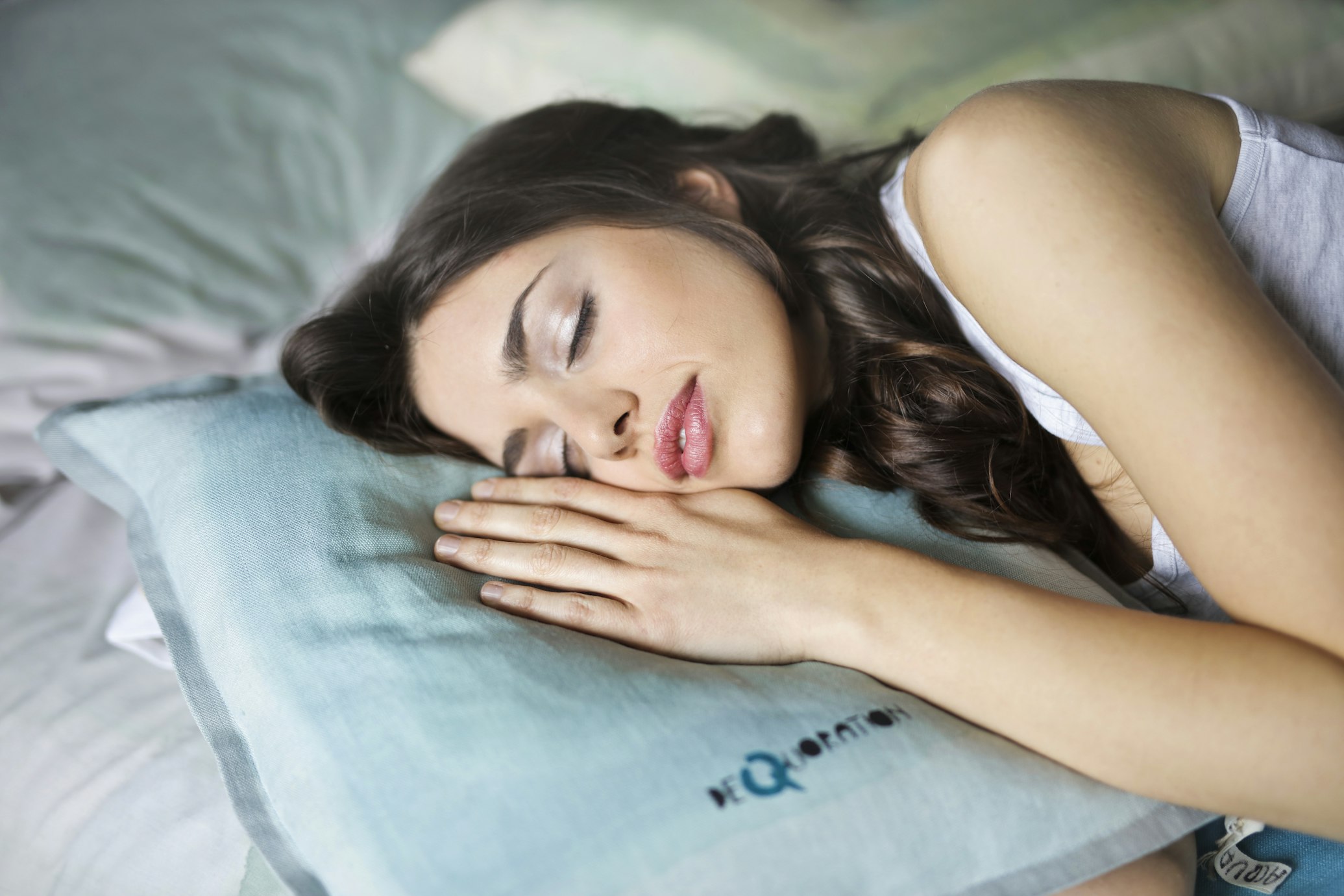
This gets less attention but matters critically. Social media affects sleep quality and recovery.
Blue light emission, psychological stimulation, and time consumption all impair rest. Athletes need that rest to perform at their best.
The athlete who checks social media before bed may be sacrificing the most important performance enhancer: quality sleep.
The Recovery Deficit
Athletes using social media within 30 minutes of bedtime experience 22% poorer sleep quality.
Pre-competition social media use associates with 17% increase in pre-competition anxiety.
Recovery rates are 31% slower in high social media users.
76% of elite coaches now include social media guidelines in team protocols.
The Science Behind Sleep Disruption
The relationship between social media and sleep disruption is well-documented. Several mechanisms work together to harm rest.
The combination of blue light exposure, psychological arousal, and addictive platform design creates a perfect storm for sleep disruption. For athletes whose performance depends on sleep quality, this has significant consequences.
- Dr. Michael Chen, Sleep Specialist for Elite Athletes
How social media disrupts recovery:
- Blue light exposure: Suppresses melatonin and delays sleep onset
- Psychological arousal: Emotional content increases alertness when calm is needed
- Time displacement: Time on social media directly reduces available sleep time
- Rumination: Negative comments trigger thought patterns preventing sleep
- Disrupted circadian rhythm: Irregular use patterns destabilize sleep-wake cycles
Strategies That Actually Work
Athletes can develop healthy relationships with social media. The goal isn't elimination. It's creating boundaries that protect mental health while allowing benefits.
The most successful athletes aren't those who avoid social media entirely. They're those who master using it intentionally without being used by it.
Personal Strategies
- Set specific time boundaries
- Use app timers and digital wellbeing tools
- Create separate personal and professional accounts
- Disable notifications during training
- Practice regular digital detoxes
- Curate feeds to limit triggering content
Team Approaches
- Develop team social media policies
- Provide media training for handling criticism
- Create peer support systems
- Implement pre-competition blackouts
- Offer digital citizenship education
- Establish clear harassment reporting procedures
Professional Support
- Work with sports psychologists on resilience
- Consult social media managers for high-profile athletes
- Engage mental health professionals when needed
- Utilize team nutritionists to counter harmful messages
- Partner with sleep specialists for recovery
Organizational Responsibility
- Advocate for better platform protections
- Develop clear harassment protocols
- Provide digital wellbeing education
- Create support resources for online challenges
- Recognize social media impact in wellness programs

Building Digital Resilience
Beyond specific strategies, athletes can develop psychological skills that help them navigate challenges while maintaining mental health.
Digital resilience isn't about avoiding all negative experiences online—that's impossible. It's about developing psychological tools to process experiences in healthy ways, maintain perspective, and remember your value extends far beyond social media.
- Dr. Sarah Williams, Athletic Mental Performance Coach
Core components of digital resilience:
- Identity differentiation: Separating self-worth from social media metrics
- Cognitive reframing: Developing ability to reinterpret negative comments
- Mindfulness practices: Building awareness of emotional responses
- Value alignment: Using platforms in ways aligning with personal values
- Support utilization: Knowing when and how to seek help
Harnessing the Positive Side
Despite challenges, social media can be powerful when used intentionally. Many athletes leverage these platforms to enhance careers, support mental health, and create positive impact.
Social media at its best becomes a tool for athlete empowerment, community building, and authentic self-expression rather than a source of pressure.
The Upside Statistics
Athletes using social media for community building report 27% higher perceived social support.
68% of professional athletes secured sponsorships directly through social media.
Athlete-led mental health campaigns reached over 500 million people globally in three years.
Athletes sharing authentic content about struggles see 3.2x higher engagement than highlight-only accounts.

Success Stories
Many athletes found ways to use social media that enhance rather than detract from wellbeing and performance.
I've learned to use social media as a tool rather than letting it use me. I schedule specific times to engage, I'm intentional about who I follow, and I focus on authentic connection rather than metrics. This transformed my relationship from anxiety source to genuine support.
- Emma Rodriguez, Olympic Swimmer
Positive practices from successful athletes:
- Authenticity: Sharing both successes and struggles
- Boundaries: Clear limits on time and content
- Purpose: Using platforms with intention
- Community: Building supportive networks
- Advocacy: Leveraging influence for meaningful causes
- Education: Sharing knowledge to help others
Common Questions Answered
Social media has both positive and negative impacts. It enhances fan engagement and provides self-promotion opportunities. But it also exposes athletes to cyberbullying and mental health challenges. The key is how it's used and what boundaries are established.
Positive effects include increased visibility, enhanced fan engagement, and self-promotion opportunities. Athletes can control their narrative, build personal brands, create revenue streams, advocate for causes, and find supportive communities.
Negative effects include cyberbullying, increased pressure, unrealistic expectations, body image issues, and mental health challenges like anxiety and depression. The constant scrutiny can lead to performance anxiety, sleep disruption, and difficulty separating personal and professional identities.
Yes, significantly. Research shows it can lead to anxiety, depression, and stress due to constant scrutiny. Exposure to cyberbullying and unrealistic body standards harms self-esteem. However, positive interactions can also boost confidence. The impact varies based on usage patterns and support systems.
Social media can both encourage and discourage physical activity. It provides inspiration and community support. However, excessive use leads to sedentary behavior, and unrealistic fitness content creates unhealthy expectations. For athletes, it can impact recovery through sleep disruption and increased stress.
The stigma stems from traditional sporting culture valuing mental toughness while viewing psychological struggles as weakness. Athletes often hide their struggles, preventing them from seeking help. However, high-profile athletes speaking openly have begun reducing this stigma and normalizing support-seeking.
Moving Forward
Social media isn't going anywhere. Athletes will continue navigating these digital waters. The question isn't whether to use these platforms, but how to use them wisely.
Mental health in sports is finally getting the attention it deserves. We're seeing more conversations, more resources, and more support. Athletes speaking up about their struggles have made a real difference.
What Athletes Can Do
Take control of your digital life. Set boundaries. Use timers. Create space between yourself and the screen. Remember that you're more than your online persona.
Seek support when you need it. Talk to sports psychologists. Connect with teammates who understand. Don't suffer in silence.
What Organizations Must Do
Teams, leagues, and sports organizations have responsibilities too. Provide education. Create policies. Offer support systems. Protect your athletes.
Advocate for better platform protections. Work with social media companies to address harassment. Take athlete mental health seriously.
The Path Forward
The future of athlete mental health depends on collective action. Athletes need tools and support. Organizations need policies and resources. Society needs to recognize the human behind the athlete.
Social media can be a force for good. It connects people, builds communities, and amplifies important voices. But we need to use it wisely. We need to protect those who entertain and inspire us.
The conversation about athlete mental health and social media is just beginning. Let's keep it going. Let's make real changes. The wellbeing of athletes depends on it.