The AR Revolution: Transforming Sports Forever
The integration of Augmented Reality (AR) into sports represents one of the most significant technological shifts in the industry's history. Unlike Virtual Reality, which creates entirely digital environments, AR enhances the real world by overlaying digital information, creating a hybrid experience that maintains the authenticity of live sports while adding layers of interactivity and information that were previously impossible.
For serious sports enthusiasts and bettors, understanding how AR impacts the sports landscape is crucial. If you're looking to deepen your sports betting knowledge, explore our comprehensive guide on AI revolutionizing sports analytics, which covers how technology influences betting decisions. Additionally, learn about the impact of social media on athlete performance and decision-making, and discover how AI algorithms are transforming sports betting predictions.
The AR Impact By The Numbers
Global AR sports market value in 2024: $1.8 billion
Viewer engagement increase with AR: 15-20%
Time spent watching AR-enhanced content: 38% longer
Advertising revenue increase with AR: 30-40%
Fan satisfaction improvement: 45%
What Exactly is AR and How Does It Work in Sports?
Augmented Reality in sports broadcasting involves sophisticated technology that seamlessly integrates digital elements into live video feeds. The Barca Innovation Hub defines AR as "the involvement of overlaying digital information and graphics on top of the real world, using devices such as smartphones or specialized glasses, in turn, allowing users to see and interact with virtual content in the context of the physical world around them."
"AR technology is the more compact, realistic, and easier-to-use little brother of Virtual Reality (VR). While VR creates entirely new worlds, AR enhances the one we're already watching, making it the perfect technology for sports where authenticity and real-time action are paramount."
- Dr. Helen Papagiannis, Author of "Augmented Human"
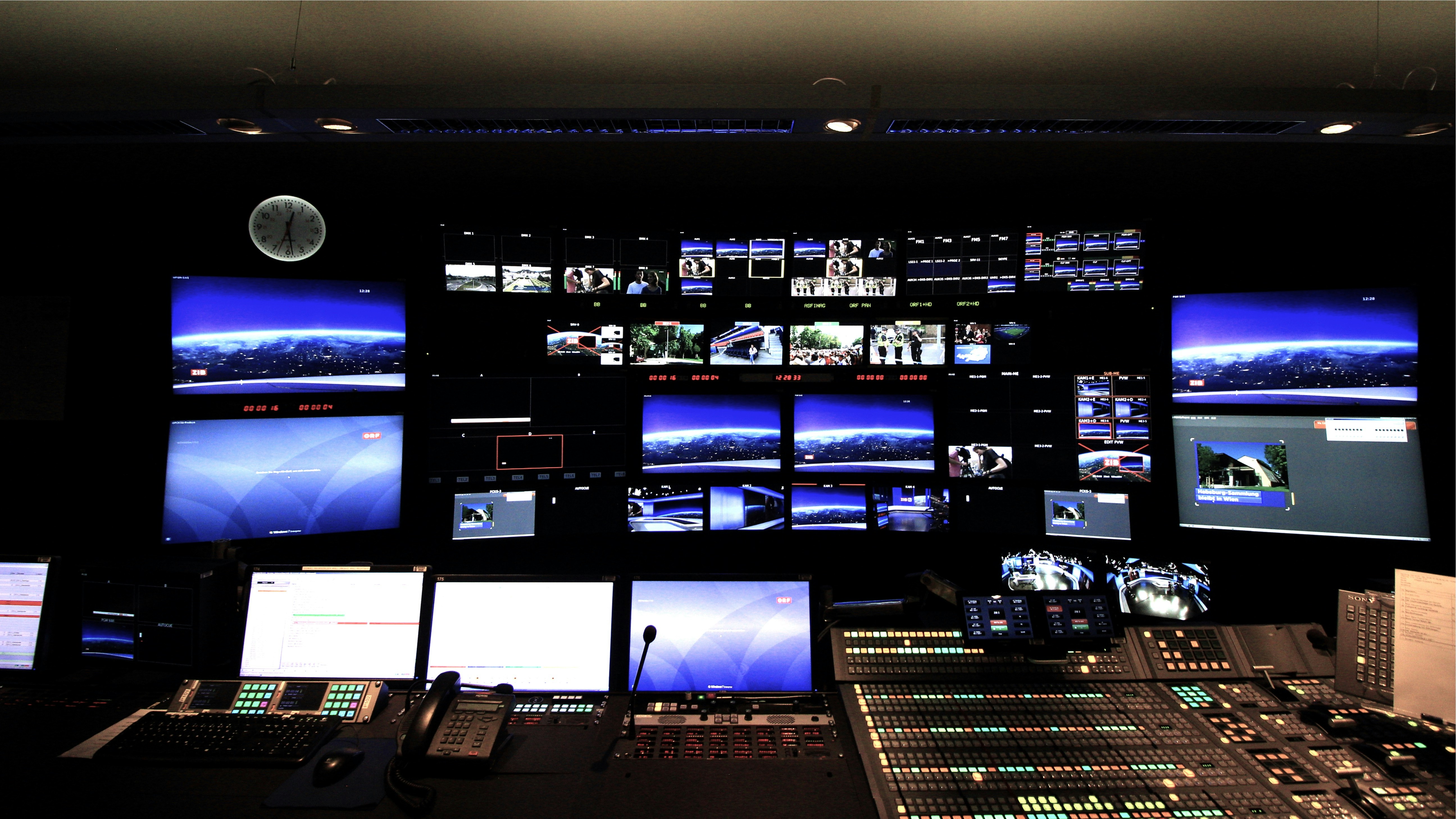
The Technical Infrastructure Behind AR in Sports
Creating seamless AR experiences in sports broadcasting requires a sophisticated technical infrastructure that includes advanced computer vision systems, data processing capabilities, and specialized rendering technology. Understanding these technologies helps fans appreciate the complexity behind what they see on screen.
Computer Vision Systems
- Camera calibration for spatial awareness
- Object recognition for player tracking
- Real-time motion analysis
- Environmental mapping of the venue
Data Processing
- Edge computing for low latency
- Cloud integration for complex analytics
- Real-time data synchronization
- Machine learning for predictive insights
Rendering Technology
- 3D graphics engines
- Spatial anchoring systems
- Occlusion handling for realism
- Physics-based rendering for natural integration
Delivery Networks
- 5G connectivity for mobile experiences
- Low-latency streaming protocols
- Multi-device synchronization
- Adaptive bitrate for varying connections
For those interested in how technology is shaping the sports industry beyond broadcasts, check out our article on fitness trackers and their accuracy in sports performance.
Key Trends in AR Sports Broadcasting
The AR sports landscape is evolving rapidly, with several key trends emerging that are reshaping how fans experience sports. These trends represent not just technological advances but fundamental shifts in sports entertainment and fan engagement.
Market Analysis: The Business of AR in Sports
The integration of AR into sports broadcasting represents a significant market opportunity, with substantial growth projected over the next decade. Understanding the market dynamics, key players, and revenue models is essential for stakeholders looking to capitalize on this technological revolution.
Market Size and Growth Projections

Key Revenue Models and Monetization Strategies
AR is creating new revenue streams and enhancing existing ones for sports broadcasters, teams, and technology providers. These diverse monetization strategies are essential for the sustainable growth of AR in sports.
Return on Investment (ROI) Analysis
While implementing AR technology requires significant upfront investment, the ROI timeline is becoming increasingly attractive:
| Investment Category | Typical Cost Range | Expected ROI Timeline | Key Performance Indicators |
|---|---|---|---|
| AR Production Infrastructure | $500K - $2M | 18-24 months | Production efficiency, content quality |
| AR Content Development | $200K - $800K annually | 12-18 months | Engagement rates, time spent |
| AR App Development | $150K - $500K | 12-24 months | Downloads, active users, retention |
| AR Advertising Platform | $300K - $1.2M | 12-18 months | Ad revenue, sponsor satisfaction |
| AR Analytics Systems | $200K - $600K | 6-12 months | Data quality, insight generation |
"The economics of AR in sports broadcasting have reached an inflection point. What was once a speculative investment with uncertain returns has become a strategic necessity with demonstrable ROI. Broadcasters who fail to incorporate AR elements risk losing market share to more innovative competitors."
- Maria Rodriguez, Chief Digital Officer, Global Sports Media
Key Players in the AR Sports Ecosystem
The AR sports landscape features a diverse range of players, from traditional broadcasters to technology startups. Understanding these key players helps stakeholders identify partnership opportunities and competitive dynamics.
Major Broadcasters
- ESPN (Disney)
- Sky Sports (Comcast)
- NBC Universal
- Fox Corporation
- DAZN
Technology Providers
- IBM Corporation
- NEC Corporation
- Rohde & Schwarz
- Evertz Microsystems Ltd.
- NEP Group Inc.
Specialized AR Companies
- Kudan Inc.
- wTVision
- Pixellot
- Second Spectrum
- Hawk-Eye Innovations
Platform Providers
- Microsoft (HoloLens)
- Apple (ARKit)
- Google (ARCore)
- Meta (Spark AR)
- Snap (Lens Studio)
Related Sports & Technology Articles
Explore more insights on how technology is transforming sports, betting, and fan engagement.
Betting Strategies & Analysis
The Ultimate Parlay Betting Guide - Master multi-leg betting strategies
NFL Betting Strategies - Professional approaches to football betting
Player Prop Betting Guide - Individual performance wagering strategies
Technology in Sports
How AI is Revolutionizing Sports - From performance analytics to betting
AI Transforming Sports Betting Algorithms - Predictions and risk management
Fitness Trackers Ultimate Guide - Accuracy, benefits, and top picks
Sports Equipment & Gear
The Best Football Boots for Wide Feet - Comfort and performance guide
Complete Guide to Soccer Ball Technology - Understanding modern ball design
Comprehensive Guide to Soccer Cleats - Selection and maintenance tips
Sports Culture & Society
Why Football Still Has Zero Out Gay Players - A critical look at inclusivity
Blokecore: The Football-Inspired Fashion Trend - Cultural impact of sports fashion
Impact of Social Media on Athletes Mental Health - Digital age challenges